The Nursing Home You Picture May No Longer Exist
Why the old stereotype is still shaping decisions
And how honest video can help families see today’s senior care communities for themselves
The Nursing Home You Picture May No Longer Exist
Say the words “nursing home,” and many people immediately picture the same place: a dim hallway, an institutional room, residents sitting quietly, and a building that feels more like somewhere life stops than somewhere life continues. That picture is powerful. It is also often years—or decades—out of date.
The stereotype did not appear from nowhere. Some families have had painful experiences. Some facilities still fall short. Serious concerns about staffing, safety, dignity, and quality of care should never be softened by attractive photography or a polished lobby. But there is another truth that deserves to be seen: many skilled nursing and senior care communities have changed dramatically, while the public perception of them has barely moved.
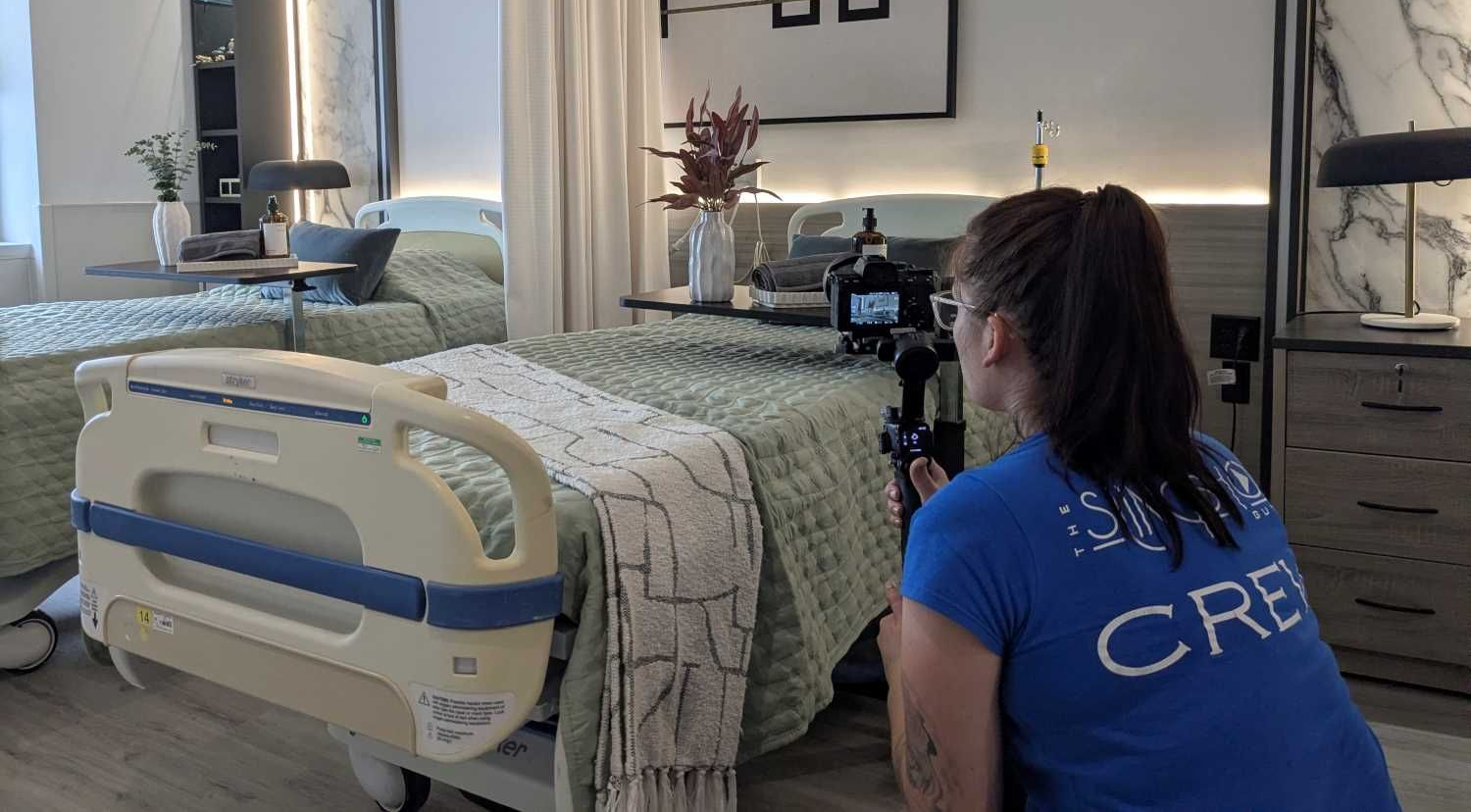
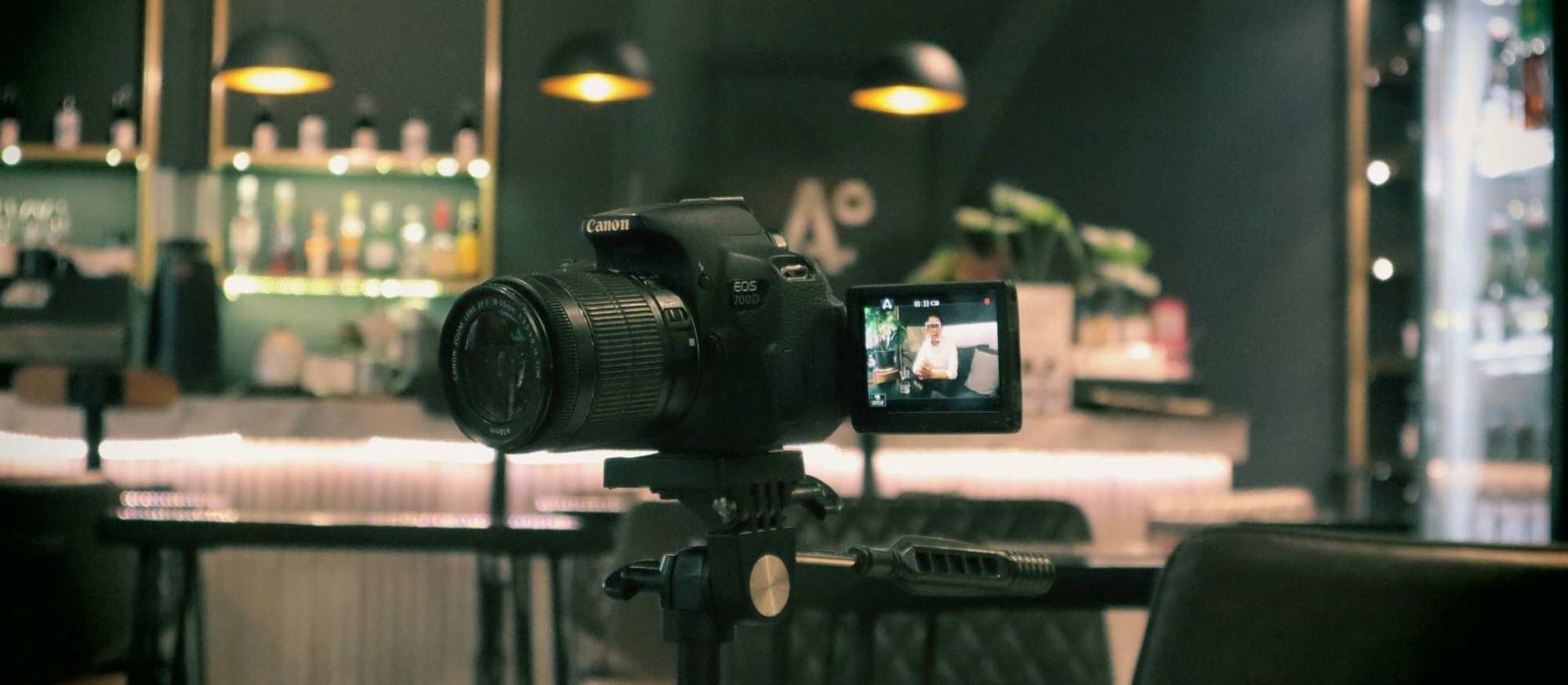
At The Slingshot Guys, we spend our working days inside healthcare facilities. We walk through resident rooms, rehabilitation gyms, dining rooms, courtyards, therapy spaces, nurses’ stations, and hallways. We watch administrators greet residents by name. We see therapists celebrate progress that may look small to an outsider but means everything to a resident and a family. We see staff members lean in, listen, laugh, comfort, and care.
That access has changed the way our own team thinks about aging. We sometimes say that when our time comes, we would not be afraid of living in one of the beautiful communities we have filmed. In the right place, there is comfort, activity, friendship, professional support, good food, attractive surroundings, and a sense that people still belong to something. That is very different from the image many people carry in their heads.
The Building Changed. The Perception Didn’t.
This is the gap the senior care industry is facing.The physical spaces have been renovated. Care models have evolved. Rehabilitation technology has improved. Dining has become more inviting. Activities are more purposeful. Many facilities have invested heavily in private and semi-private rooms, outdoor areas, hospitality, specialized clinical programs, and a stronger resident experience. (read more from CMS)
Yet many families do not see any of that until a crisis forces them through the front door.
Before that moment, their understanding may come from an old family story, a movie scene, a headline, a memory from childhood, or the worst example they have ever heard. The term itself can trigger fear before a family has looked at a single current photograph, spoken to a staff member, or visited a community.
That matters because perception shapes behavior.It can make an older adult feel that accepting help means giving up. It can make adult children feel guilty for considering skilled nursing care, even when around-the-clock support, rehabilitation, medication management, or a safer environment may be exactly what their parent needs. It can also prevent strong facilities from being evaluated fairly.
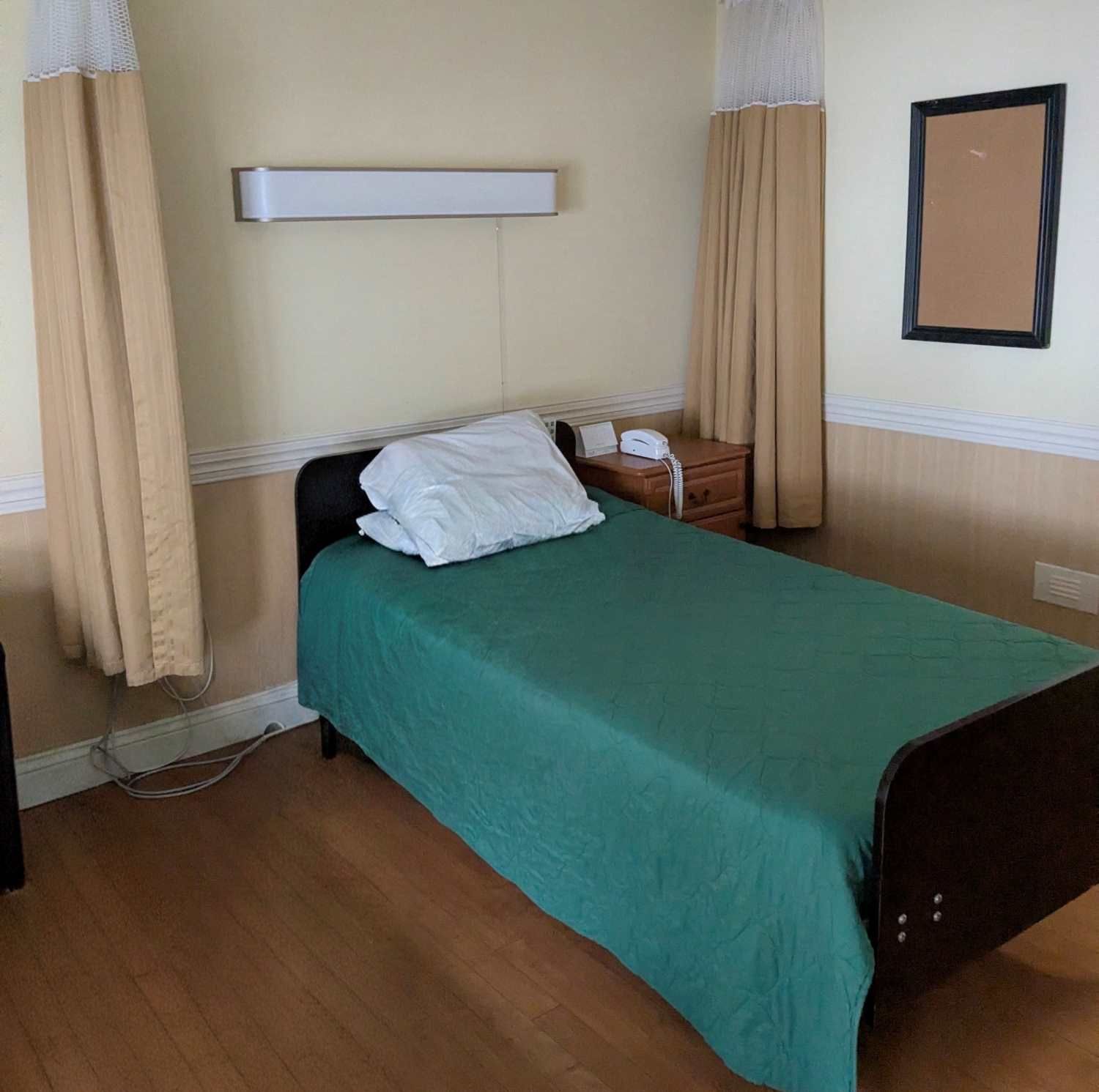
THE STEREOTYPE
The outdated image many people still associate with nursing homes.
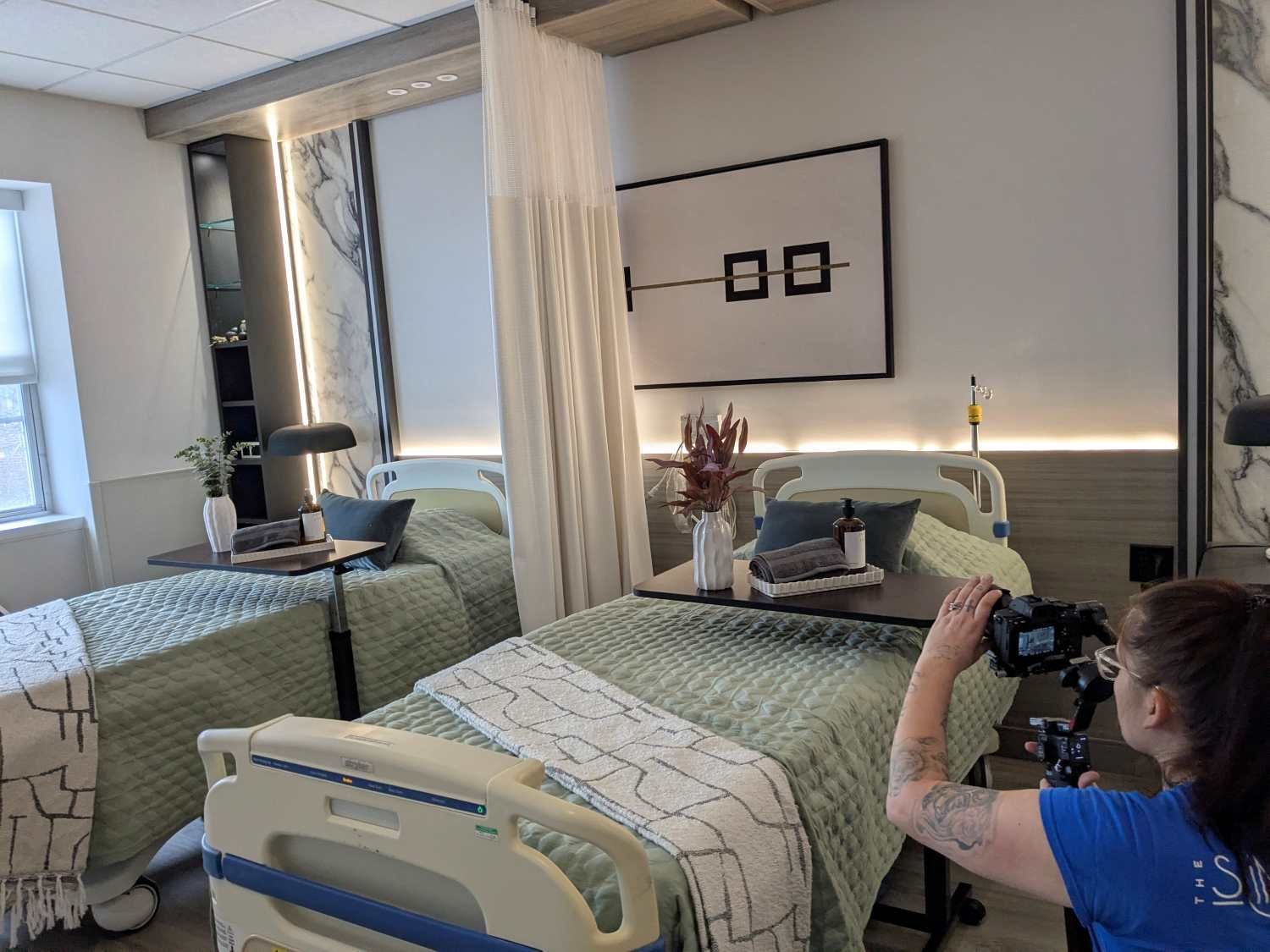
THE REALITY TODAY
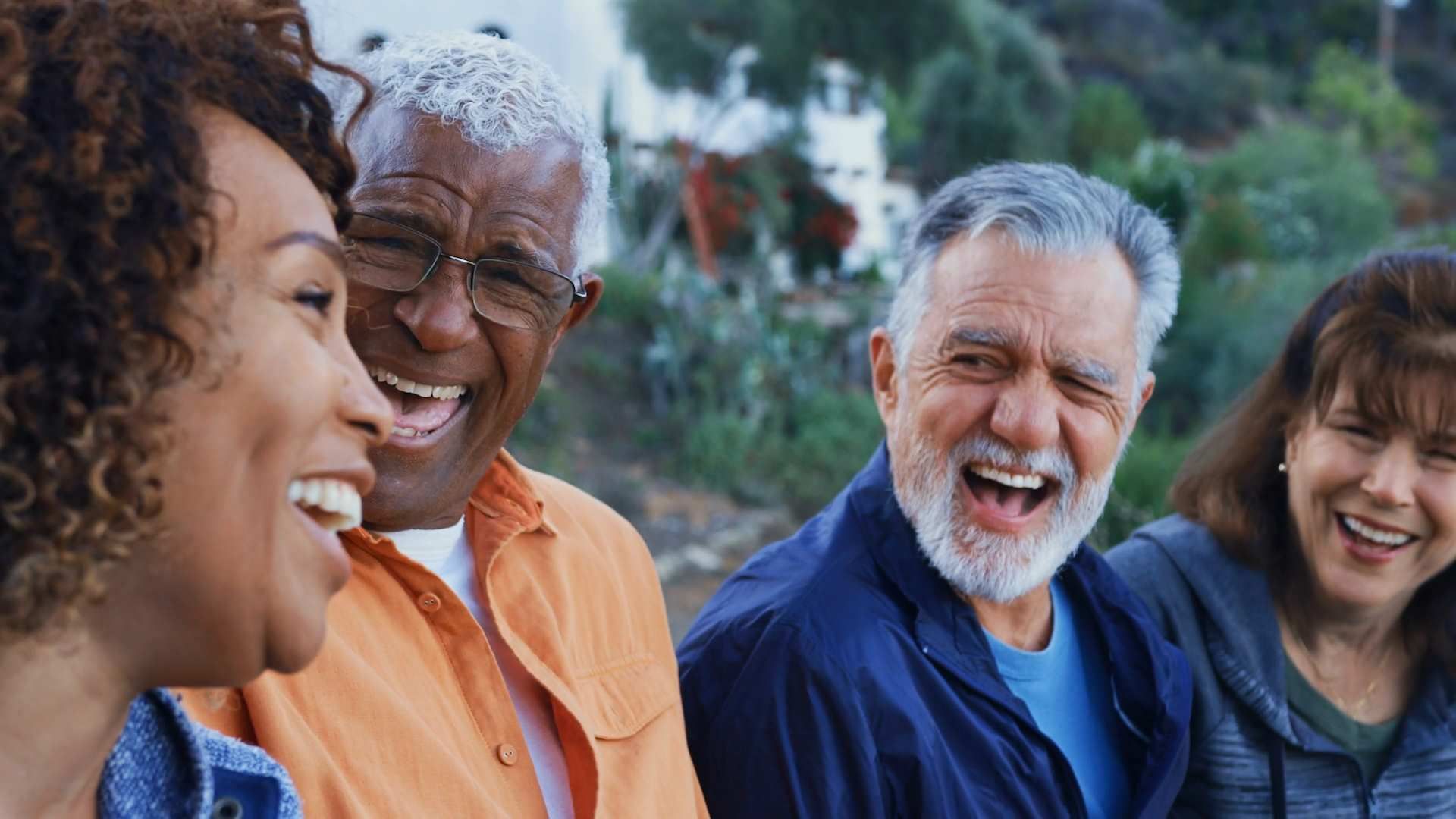
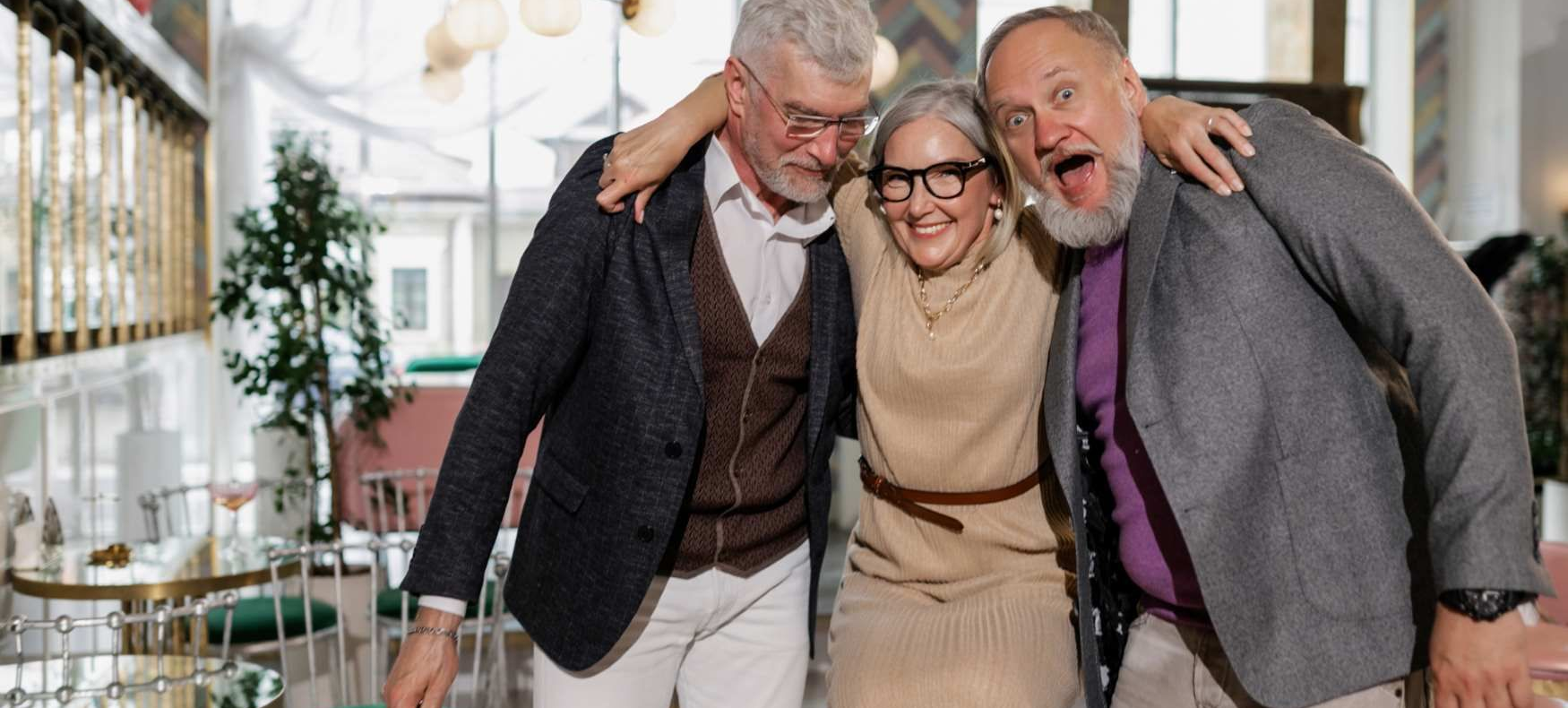
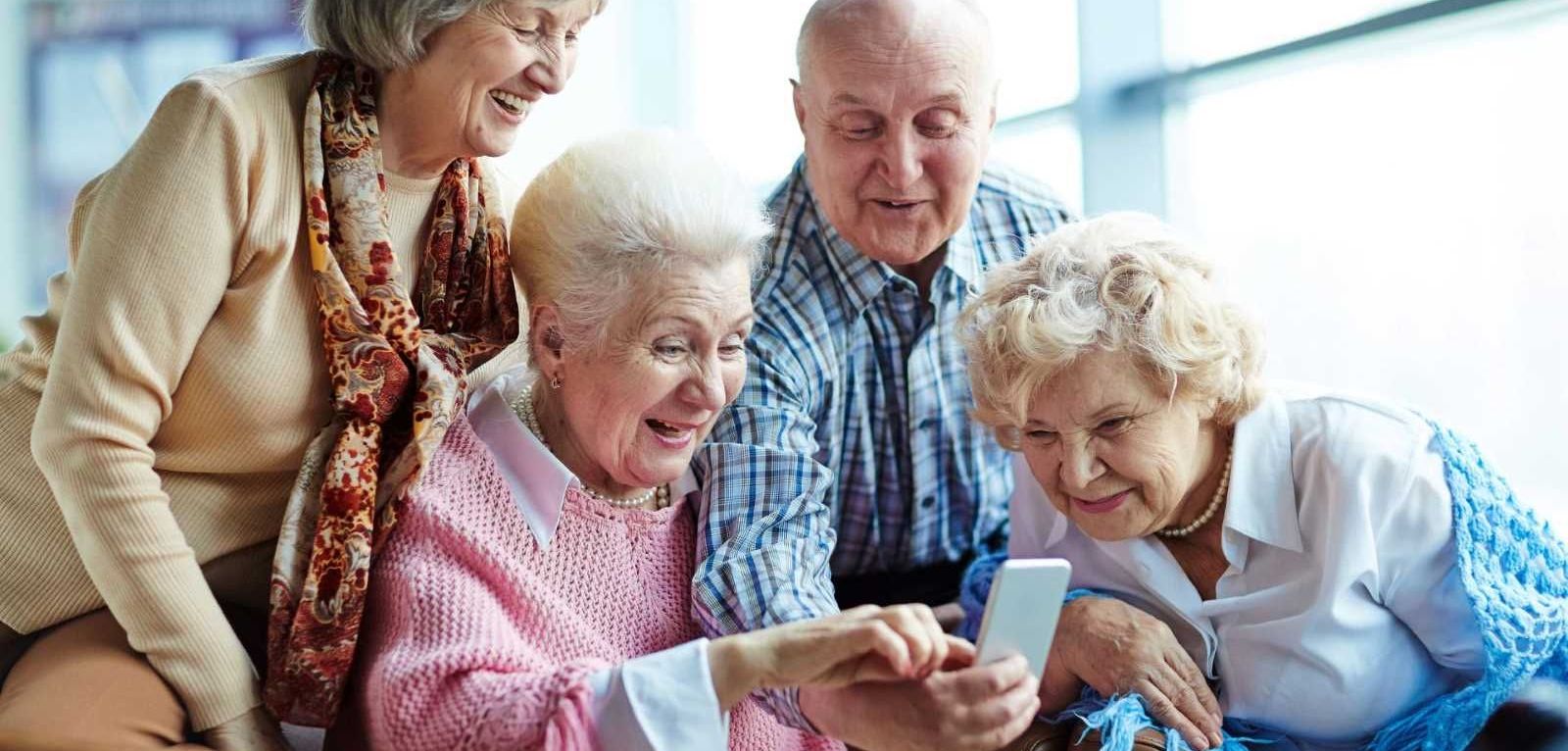
Modern senior care can be beautiful, personal, active, and deeply human.
Staying Home Is Not Automatically the Same as Living Better
“Home is always best” sounds compassionate, and sometimes it is true. When a person can remain safe, supported, socially connected, and properly cared for at home, that may be the right choice. But home is not automatically the best setting simply because it is familiar.
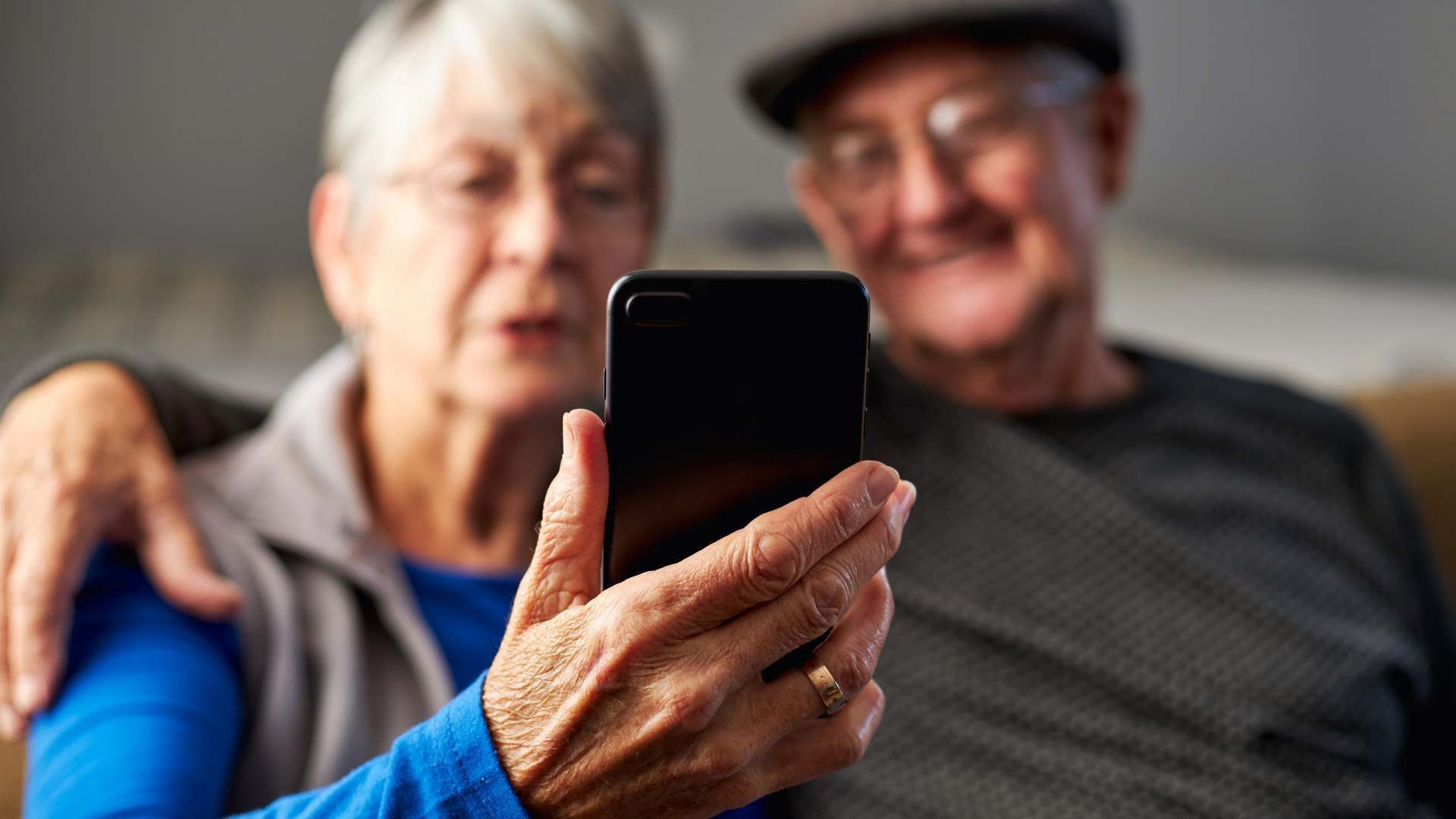
For some older adults, home can become isolating. A person may spend long stretches alone, struggle with meals or medication, fear falling, or depend on a family caregiver who is exhausted and trying to manage more than one person can reasonably carry. A familiar house can still become a lonely or unsafe place.
A well-run senior care community can offer something a house cannot: trained support at all hours, therapy close at hand, regular meals, activities, neighbors, social contact, and a team that notices changes. It can give family members the chance to return to being sons, daughters, spouses, and grandchildren instead of functioning only as overwhelmed caregivers.
This does not mean every facility is right for every person. It means families deserve to compare real options, not make one of life’s most emotional decisions based on a stereotype.
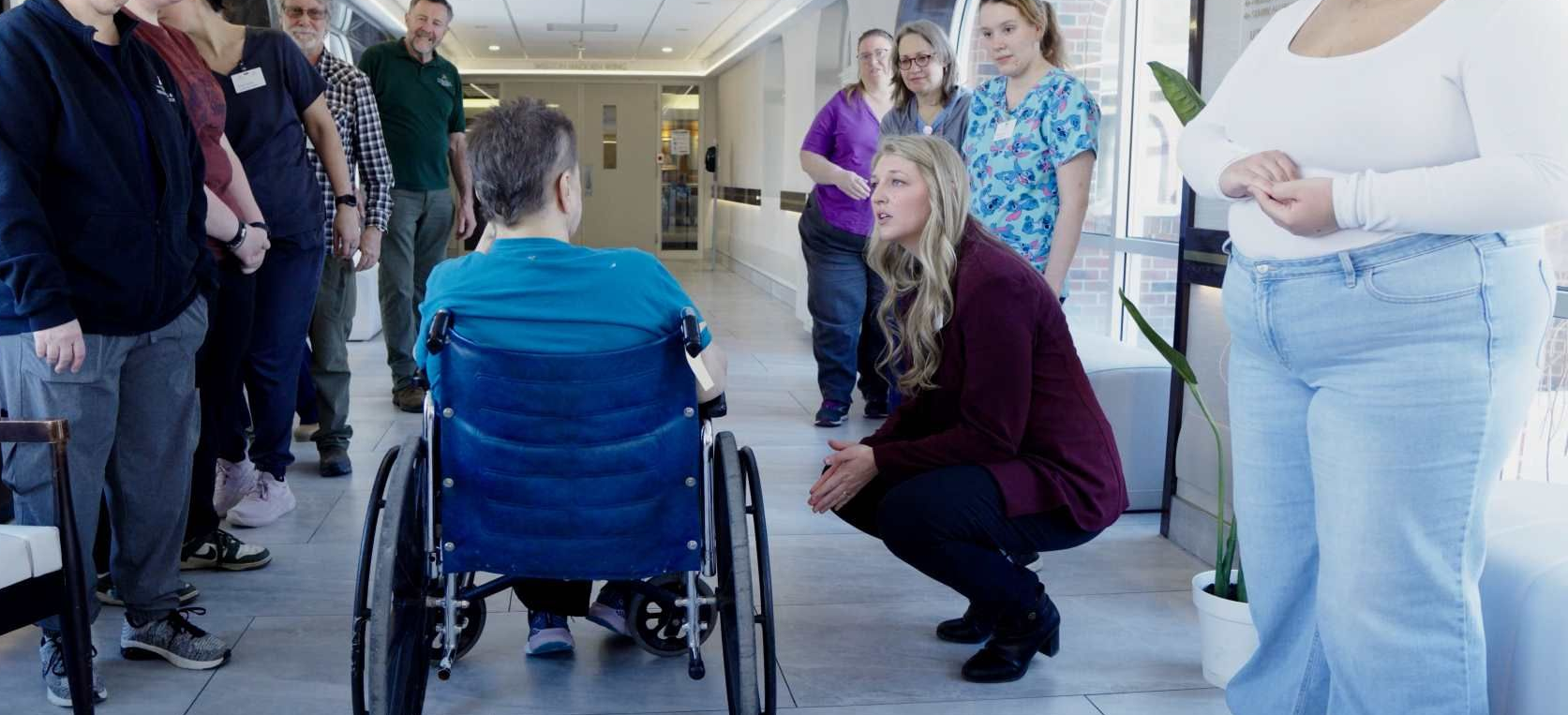
A Beautiful Lobby Is Not the Whole Story
When we talk about showing beautiful facilities, we are not suggesting that appearance is the same as care. A chandelier cannot answer a call bell. New furniture cannot replace adequate staffing. A cinematic video should never be used to hide problems or create a version of a community that residents do not actually experience.
Families should look at the full picture. Medicare’s Care Compare tools allow people to review items such as star ratings, health inspections, staffing, and quality measures. Those facts matter. So do an in-person visit, conversations with residents and families, the responsiveness of staff, cleanliness, the way people speak to residents, and the feeling in the building at an ordinary time of day.
But data has a limit too. A rating cannot fully show warmth. A spreadsheet cannot capture the patience in a nurse’s voice, the energy of a therapy session, the pride in a chef’s dining presentation, or the moment an administrator bends down to speak with a resident at eye level.
Quality must be measured—but humanity must be witnessed.
Why the Industry Has a Visibility Problem
Many healthcare organizations are doing meaningful work behind walls the public rarely sees. Their websites may still rely on a few empty-room photographs, generic stock images, or language that sounds almost identical to every competitor: compassionate care, dedicated team, home-like environment.
Those phrases may be true, but they are difficult to believe without evidence. Every facility says it cares. Very few consistently show what that care looks like.
That creates an unfair imbalance. A negative story can travel quickly because it is specific, emotional, and visible. Good daily care is quieter. It happens one conversation, one meal, one therapy session, and one small act of patience at a time. Unless someone documents those moments thoughtfully, the public never sees them.
Silence leaves the stereotype in control.
The Most Effective Way to Change Perception Is to Show Reality
You cannot lecture someone out of an emotional belief. Telling families, “Our facility is beautiful,” is not enough. Telling them, “Our staff is caring,” is not enough either. The claim becomes believable when people can see the community with their own eyes.
Video gives a family something words alone cannot: a sense of place. It lets them move through the entrance, see the light in a resident room, watch the rehabilitation team at work, hear from leadership, observe interactions, and understand the rhythm of the building. It can turn an unknown institution into a real community before the first visit.
The goal is not to manufacture perfection. The goal is to remove the mystery.
Show the environment
Families want to know where their loved one may sleep, eat, recover, visit, and spend time. Wide, well-lit footage of rooms, common spaces, rehabilitation areas, gardens, dining rooms, and meaningful design details helps them replace an imagined picture with a current one.
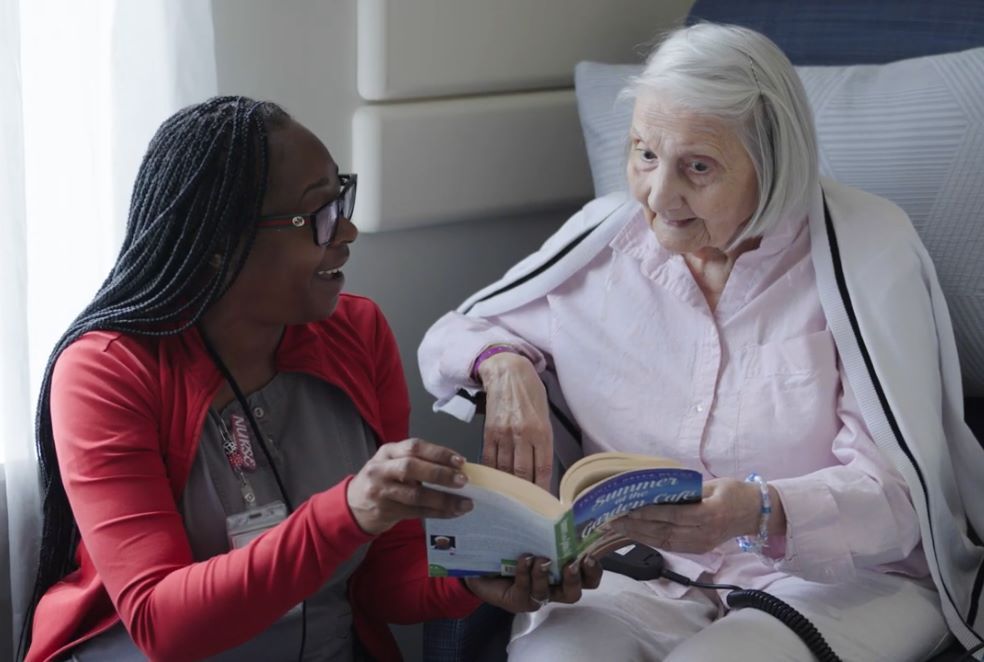
Resident Rooms
Comfort, privacy, and thoughtful details.
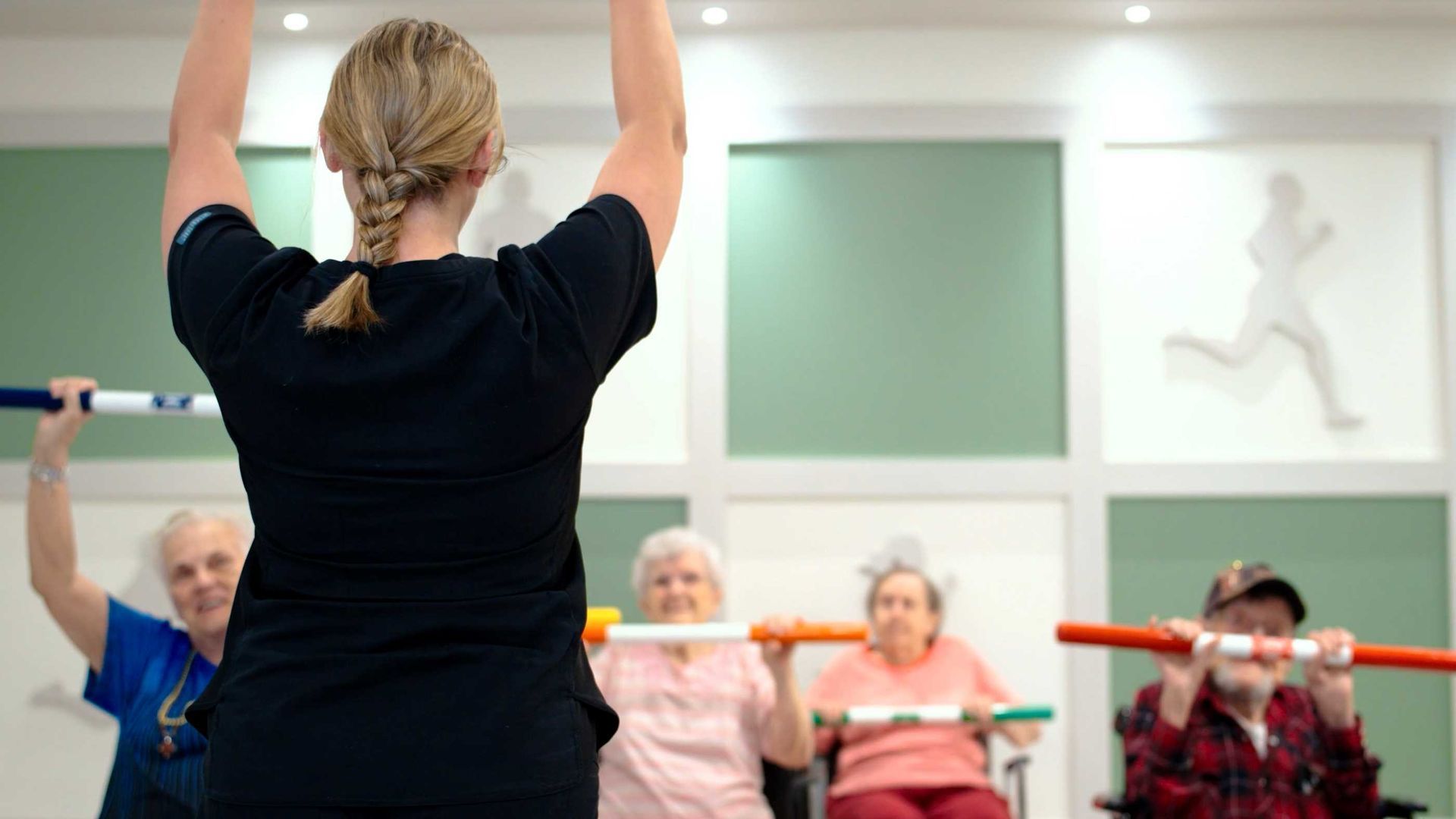
Rehabilitation Spaces
Designed to support recovery and progress.
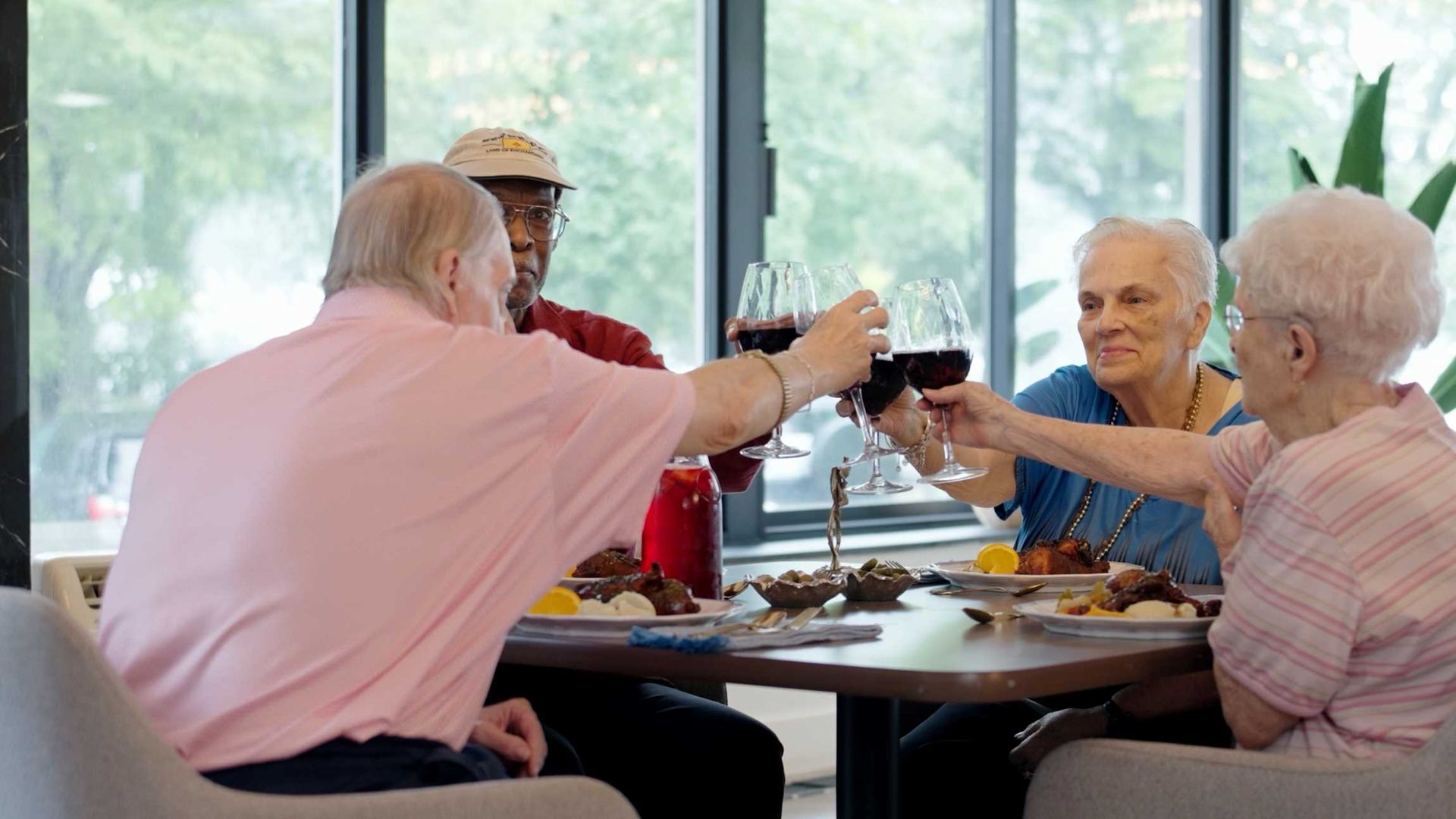
Dining & Gathering
Spaces created for meals, connection, and community.
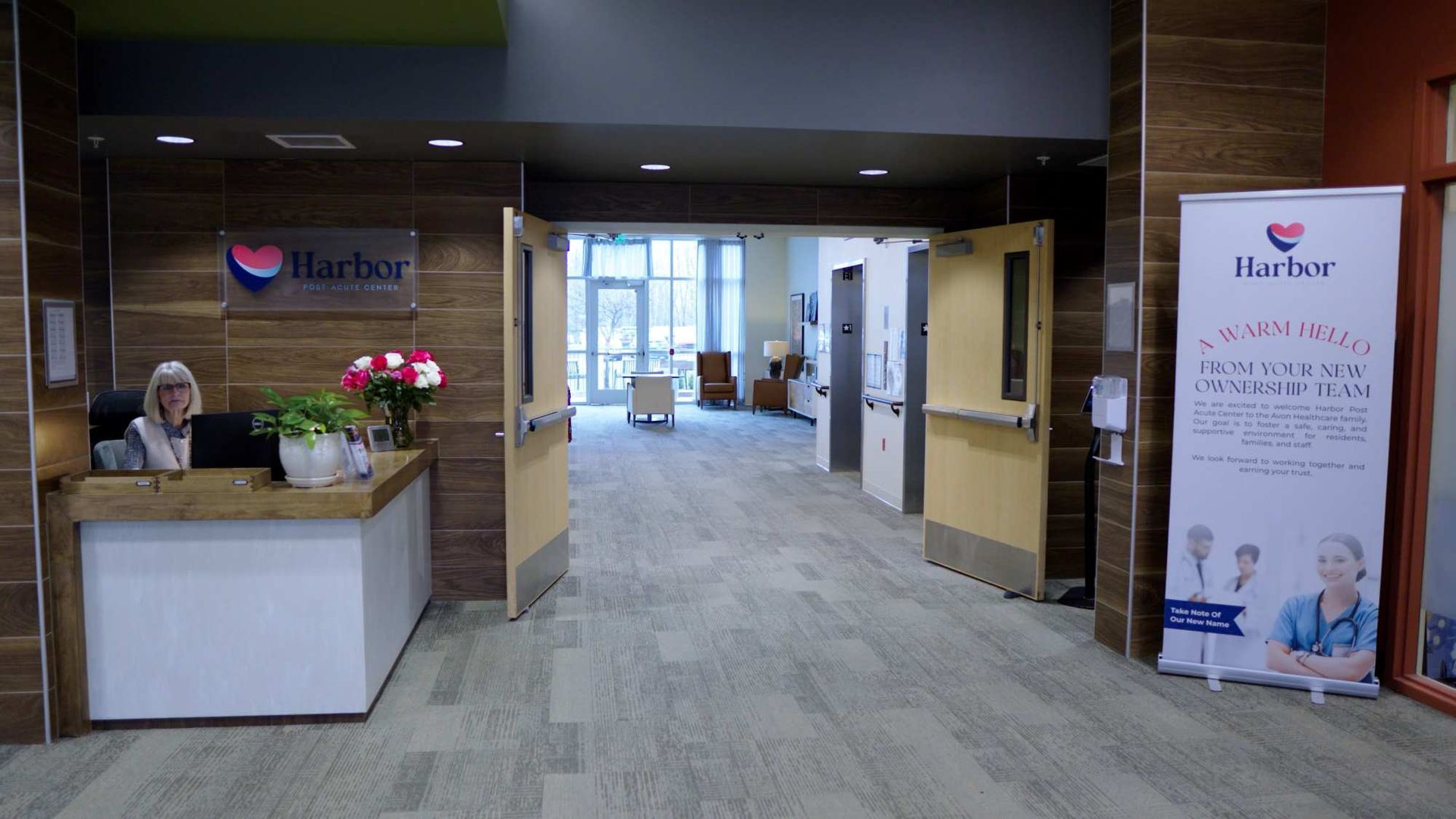
Spaces to Feel at Home
Comfortable surroundings for everyday life.
Show the people
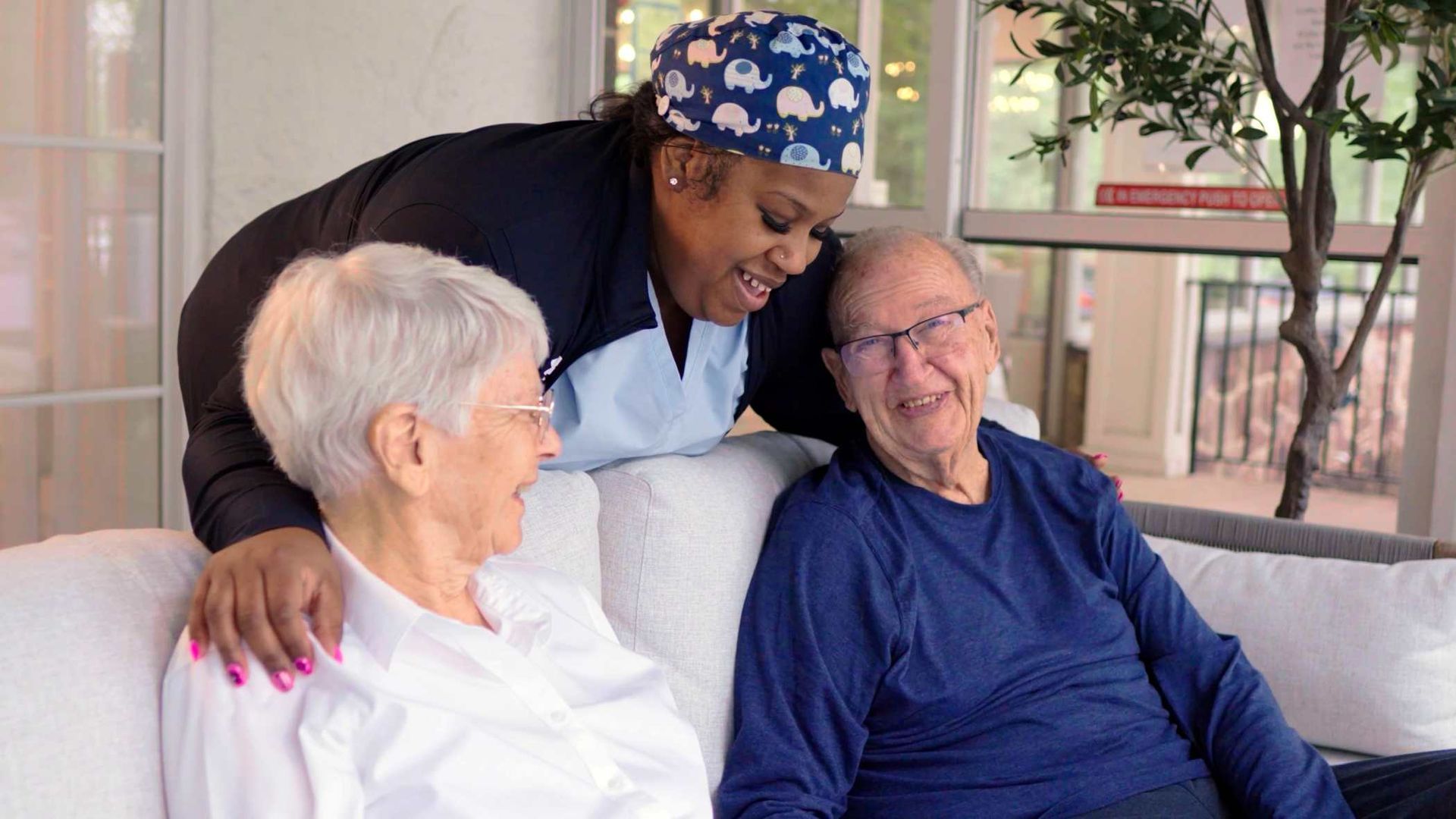
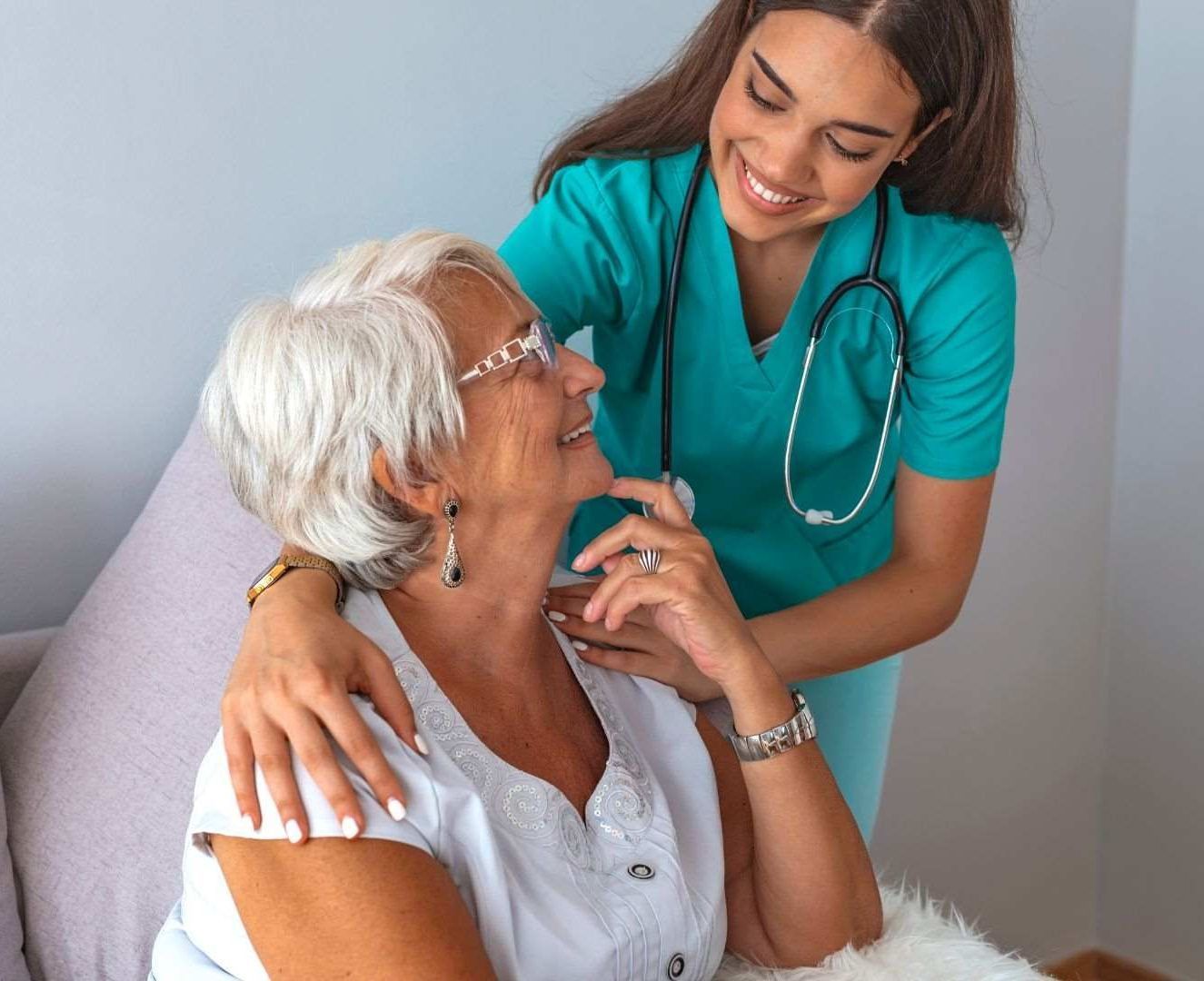
A facility is not its furniture. The strongest images are often human: a therapist encouraging a resident, a nurse listening, an activities professional creating energy, a housekeeper greeting someone warmly, or a leader who is present on the floor. These moments should be filmed with consent, dignity, and respect—not staged in a way that feels artificial.
Let residents, families, and staff speak
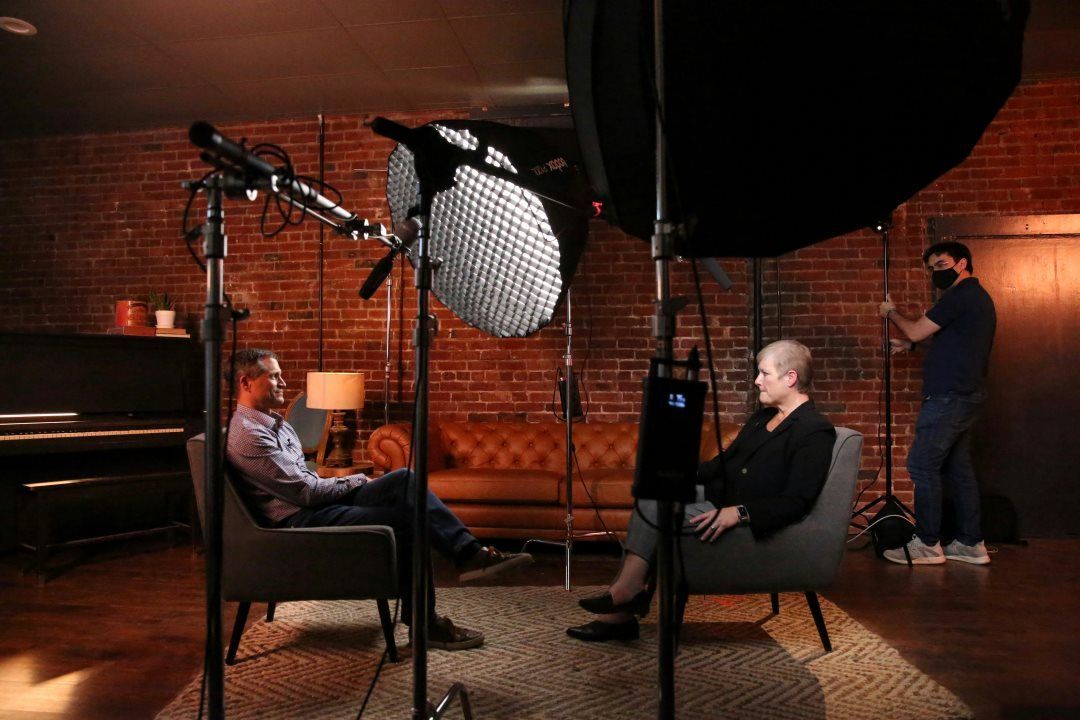
A polished narrator can explain services. A real person can explain trust. Thoughtful interviews allow residents, relatives, clinicians, and team members to describe what the community means to them in their own language. Their voices bring texture and credibility that a list of amenities cannot.
Show ordinary life, not only special events
Ribbon cuttings and celebrations are worth sharing, but a family also wants to understand a normal Tuesday. What does lunch feel like? How does therapy work? Are residents engaged? Do staff members know them? Is the atmosphere rushed, calm, lively, personal? Honest everyday footage often changes perception more effectively than the most elaborate production.
What Honest Nursing Home Marketing Should Never Do
The senior care industry will not earn trust by replacing one distorted picture with another. If every resident shown is unusually active, every interaction is staged, every room is a model room, and every challenge is edited out of existence, families will recognize the disconnect when they arrive.
Responsible visual storytelling should not promise that aging is easy or that every day is perfect. It should show dignity without exploiting vulnerability. It should protect privacy, secure proper permissions, and represent the real experience of the community. It should also be specific: real programs, real spaces, real staff, and real reasons the facility is different.
That honesty is not a limitation. It is the foundation of strong marketing. The purpose of a facility video is not to win a beauty contest. It is to help the right family understand the place clearly enough to take the next step.
This Is Bigger Than Admissions
Changing the nursing home stereotype can support admissions, but the impact goes further. Better visibility can help recruit people who want to work in a modern, mission-driven environment. It can give current staff pride in the work they do. It can help referral partners understand specialized programs. It can reassure families who live far away. It can also remind the broader public that aging, disability, rehabilitation, and long-term care are human experiences—not subjects to hide from.
The United States has roughly 14,700 nursing homes and about 1.2 million nursing home residents, according to the CDC’s most recent national FastStats figures, which report 2022 data. This is not a small corner of healthcare. It touches millions of residents, relatives, caregivers, and professionals. The way we talk about these communities has real consequences.
Facilities also have a responsibility to earn the picture they want the public to see. Storytelling cannot replace investment in care, staffing, safety, training, and resident dignity. But when the work is real, it should not remain invisible.
The New Picture of Senior Care Will Be Built One Story at a Time
The old nursing home image has been repeated for so long that it feels like fact. Changing it will take more than a new logo, a renovated website, or one beautiful video. It requires a steady visual record of what life inside the community actually looks like.
Show the new therapy gym. Then show the therapist using it. Show the dining room. Then show the conversations around the table. Show the private room. Then show the small personal details that make it someone’s room. Show the leadership team. Then show leaders listening to residents and supporting staff.
Over time, those images add up. Families stop seeing a category and start seeing a particular community. Staff candidates stop imagining an institution and start picturing a workplace with purpose. The public starts to understand that senior care is not one building, one experience, or one outdated story.
That is the work we believe in at The Slingshot Guys. We do not simply film buildings. We help healthcare organizations make the care, atmosphere, people, and progress inside those buildings visible.
Because when the perception is wrong, arguing rarely changes it.
Showing it can.
Contact Us